
Bi-layered single-piece dental implant reduces the need for surgical interventions
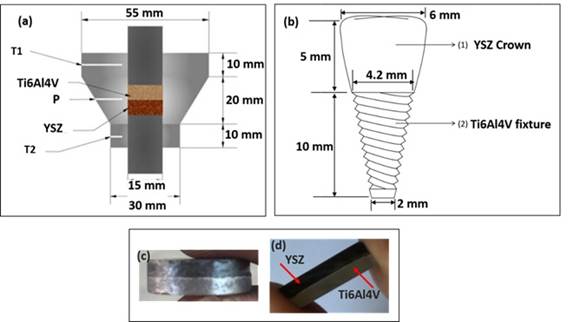
Researchers have developed a new bi-layered single-piece dental implant made from titanium alloy and zirconia to reduce the need for multiple surgeries and improve implant durability. Created by scientists at the International Advanced Research Centre for Powder Metallurgy and New Materials (ARCI), the design combines load-bearing strength with aesthetic wear resistance. Tests confirm high biocompatibility, mechanical robustness, and a stable ceramic-metal transition zone.
Why It Matters
This is relevant for science and technology sections in competitive exams, particularly regarding indigenous biomedical innovations and advancements supported by the Department of Science and Technology.
In Simple Words
Traditional dental implants use multiple pieces and usually require two to three surgeries, which can cause patient discomfort and complications. Individual materials like titanium alloys or zirconia also have limitations such as corrosion or degradation over time.
To solve this, ARCI researchers created a single-piece bi-layered dental implant combining titanium alloy and yttria-stabilized zirconia using Spark Plasma Sintering. This innovation offers strong jawbone integration, high wear resistance, excellent biocompatibility, and reduces the required surgical interventions.
Key Points
- Researchers developed a bi-layered single-piece dental implant combining titanium alloy (Ti6Al4V) and yttria-stabilized zirconia (YSZ).
- Traditional dental implants typically consist of three components and require two to three surgical procedures.
- The implant was designed by scientists at the International Advanced Research Centre for Powder Metallurgy and New Materials (ARCI).
- Fabrication used Spark Plasma Sintering (SPS) with a custom-designed tapered graphite die, achieving 99.5% density.
- Mechanical testing showed hardness up to 1350 HV, compressive strength of ~1550 MPa, and flexural strength of ~310 MPa.
- In vitro biological studies and MTT assays showed metabolic activity exceeding 90%, confirming non-cytotoxic behavior.
- Hemolysis tests indicated negligible red blood cell damage, validating biomedical suitability.
- The research has been published in the journal Materials Letters on ScienceDirect.
Exam Angle
A. इंटरनेशनल एडवांस्ड रिसर्च सेंटर फॉर पाउडर मेटलर्जी एंड न्यू मटेरियल्स (ARCI)
Source: Press Information Bureau