
Understanding Q1 2026-27 GDP Estimates
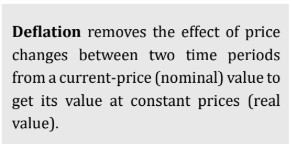
On 31 August 2026, India released updated GDP estimates for Q1 2026-27 using 2022-23 as the base year, incorporating new price indices and administrative data. The release includes detailed explanations of double deflation methodology in manufacturing, reconciliation of nominal and real GVA differences, and clarifications on statistical revisions to the GDP series.
Why It Matters
Relevant for UPSC, SSC, and banking exams as it covers India's national accounts methodology, GDP compilation techniques, inflation measurement concepts (CPI, WPI, GDP deflator), and economic statistics—all standard topics in economics and general studies.
In Simple Words
India released updated GDP estimates for Q1 2026-27 using a new 2022-23 base year and a 'double deflation' method for manufacturing, which deflates output and input costs separately. This can make manufacturing show a negative price-inflation figure even when actual prices are rising, because input costs grew faster than output prices.
The release also explains why last year's GDP figure was revised from Rs 86.05 lakh crore to Rs 80 lakh crore — not to inflate this year's growth, but due to the base-year change and improved data, as PIB's own note clarifies.
Key Points
- Updated GDP series released on 31 August 2026 with 2022-23 base year
- Double deflation method adopted for manufacturing sector—output and intermediate consumption deflated separately
- Q1 2026-27 manufacturing GVA showed 7.7% nominal growth but 9.2% real growth, resulting in -1.5% implicit deflator
- Q1 2026-27 Mining & Quarrying sector recorded -2.4% real GVA growth but 22.3% nominal GVA growth due to high mineral price inflation
- GDP deflator (2.5%) differs from CPI (3.9%) and WPI (over 9%) due to different coverage, weights, and basket composition
- Q1 2025-26 GDP revised from ₹86.05 lakh crore (2011-12 base) to ₹80.00 lakh crore (2022-23 base) due to methodological improvements and data updates
- Statistical discrepancy exists in Q1 2026-27 estimates; expected to narrow significantly by final estimates
Exam Angle
A. A method where output and intermediate consumption are deflated separately (rather than together) to derive Gross Value Added (GVA) at constant prices — described by the IMF as the preferred method for calculating GDP in volume terms.
Source: Press Information Bureau